Prep Time: 20 minutes
Cook Time: 25–35 minutes
Total Time: 45–55 minutes
Difficulty: Easy
Intensity Level: Low–Moderate (active stirring required during reduction)
Introduction
If you’ve ever tried to make homemade jam or jelly and found that your fruit mixture just wouldn’t set, you’ve likely encountered the magic of pectin. Pectin is a natural carbohydrate (a soluble fiber) found in the cell walls of fruits and vegetables. When combined with sugar and acid and heated, it forms a gel network that gives jams and jellies their characteristic spreadable texture.
While you can buy commercial pectin at the grocery store, making your own from citrus peels is remarkably simple, frugal, and satisfying. The white spongy layer just beneath the colored zest of oranges, lemons, grapefruits, and limes — called the albedo — is packed with pectin. Instead of tossing those peels into the compost, you can transform them into a powerful natural gelling agent.
This recipe uses a simple water-extraction method. The result is a concentrated liquid pectin that can be used in place of commercial liquid pectin in most jam and jelly recipes. It keeps well in the refrigerator for up to a week or can be frozen for months.
Ingredients
-
Peels from 4–6 organic citrus fruits (lemons, oranges, grapefruits, or a mix) — about 2 cups of chopped peel
-
Note: Use organic fruit whenever possible, since you’re using the peel. Conventional peels can carry pesticide residue.
-
-
4 cups (960 ml) water
-
2 tablespoons (30 ml) fresh lemon juice (optional, helps extraction and adds acid)
-
1/4 teaspoon (1.5 g) salt (optional, helps break down cell walls)
Equipment
-
Vegetable peeler or paring knife
-
Cutting board
-
Heavy-bottomed saucepan (2–3 quart)
-
Wooden spoon or silicone spatula
-
Fine-mesh strainer or cheesecloth
-
Glass measuring cup or bowl
-
Airtight jar or container for storage
-
Kitchen scale (optional, for precision)
Instructions
Step 1: Prepare the Citrus Peels (5 minutes | Intensity: Low)
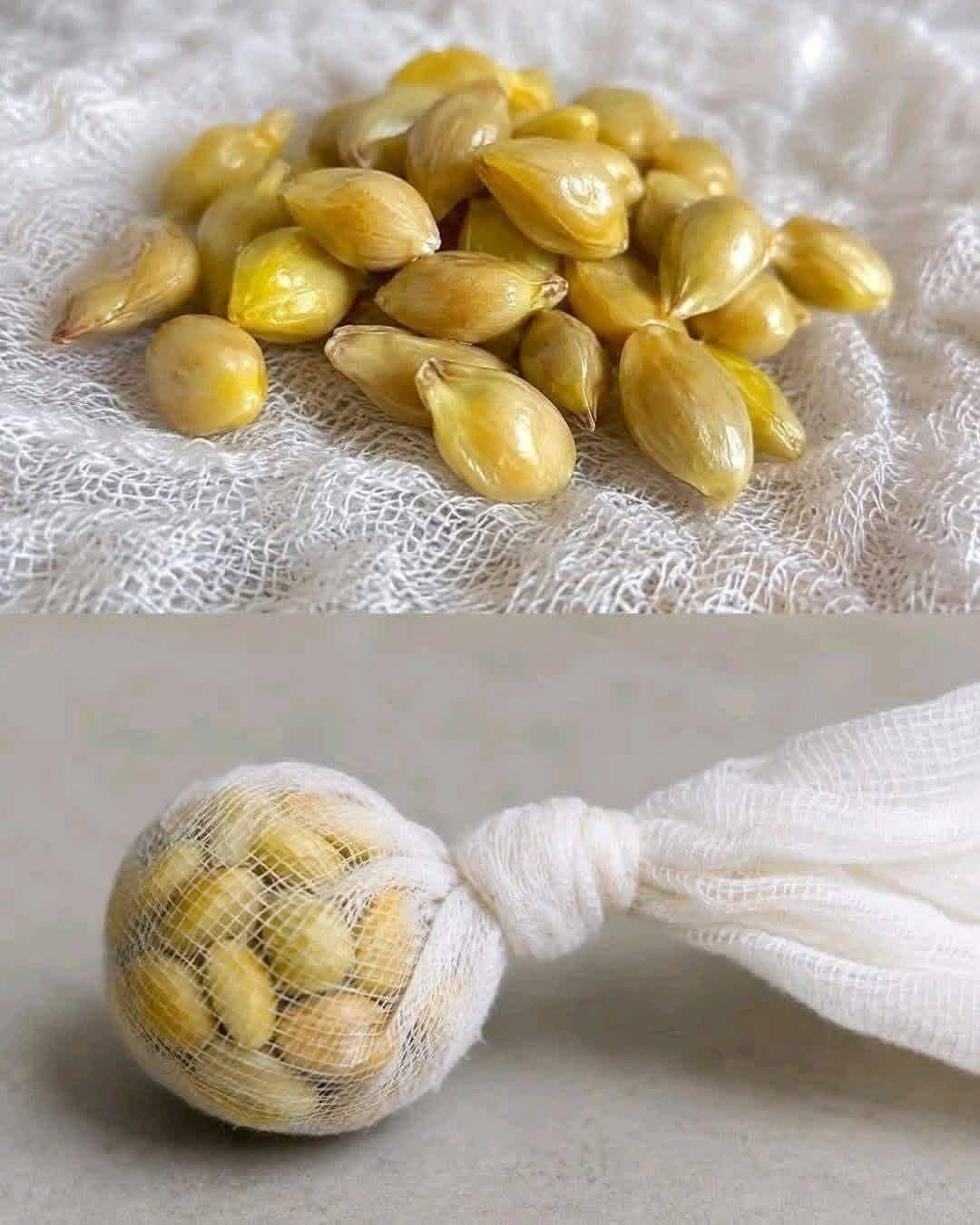
Wash the citrus fruit thoroughly under running water. Using a vegetable peeler or paring knife, remove the colored outer zest (the flavedo) and discard it, or reserve it for another use such as candied zest or citrus sugar. You want to keep only the white, spongy pith (the albedo) beneath it.
Cut the pith into small pieces, roughly 1/2-inch (1 cm) squares. Smaller pieces increase the surface area and speed up pectin extraction.
Tip: Don’t worry if a little zest remains — it won’t hurt the final product, though it may add slight color and flavor.
Step 2: Combine and Simmer (5 minutes | Intensity: Low)
Place the chopped pith in your heavy-bottomed saucepan. Add the 4 cups of water, the lemon juice, and the salt if using. Stir to combine.
Bring the mixture to a boil over medium-high heat.
Step 3: Reduce and Extract (25–35 minutes | Intensity: Moderate)
Once boiling, reduce the heat to medium-low and maintain a steady simmer. You want a gentle, consistent bubble — not a rolling boil, which can evaporate too much liquid too quickly.
Simmer uncovered, stirring occasionally, for 25–35 minutes. The liquid will reduce by roughly half, and the peels will become soft, translucent, and mushy.
Time and Intensity Guide:
| Phase | Time | Heat Level | Stirring Frequency |
|---|---|---|---|
| Bring to boil | 3–5 min | Medium-high | Once or twice |
| Gentle simmer | 20–25 min | Medium-low | Every 5 minutes |
| Reduction check | 5–10 min | Low | Every 2–3 minutes |
How to know it’s ready: The liquid should coat the back of a spoon and drip slowly rather than run off like water. If you have a candy thermometer, the mixture should read around 215–220°F (102–104°C) at sea level.
Step 4: Strain the Pectin (10 minutes | Intensity: Low)
Remove the saucepan from heat. Let it cool for 5 minutes.
Set a fine-mesh strainer lined with a double layer of cheesecloth (or a clean, thin kitchen towel) over a glass measuring cup or bowl. Pour the mixture through.
Allow it to strain naturally — do not press or squeeze the solids, as this can introduce cloudiness and off-flavors. Let it drip for 10–15 minutes until you’ve collected all the liquid.
Yield check: You should have about 1 cup (240 ml) of concentrated pectin. If you have more, you can simmer it again to reduce further. If you have less, add a little water to reach 1 cup.
Step 5: Test the Pectin Strength (Optional, 5 minutes | Intensity: Low)
If you want to verify your pectin’s gelling power before using it in a recipe, do a quick test:
-
Combine 1 tablespoon of your pectin liquid with 1 tablespoon of water and 1 teaspoon of sugar in a small saucepan.
-
Heat, stirring, until it boils.
-
Add 1/4 teaspoon of lemon juice and stir.
-
Remove from heat and let cool.
-
If it thickens into a gel, your pectin is strong. If it stays syrupy, reduce your pectin further over low heat and test again.
Step 6: Store (2 minutes | Intensity: Low)
Pour the strained pectin into a clean glass jar or airtight container. Label with the date.
-
Refrigerator: Store for up to 1 week.
-
Freezer: Store for up to 6 months in small portions (ice cube trays work well — 1 cube ≈ 1 tablespoon).
-
Canning: For long-term shelf storage, process in a boiling water bath for 10 minutes in sterilized jars. However, homemade pectin is best used fresh or frozen.
How to Use Homemade Citrus Pectin
Use your homemade pectin in place of commercial liquid pectin in jam, jelly, marmalade, and fruit butter recipes.
General rule of thumb:
-
For every 4 cups of fruit and 3–4 cups of sugar, use 1/4 to 1/2 cup of homemade pectin.
-
Add it along with the sugar and lemon juice during cooking.
-
Boil the mixture until it reaches the gel stage (220°F / 104°C), then test on a chilled plate.
Because homemade pectin varies in strength depending on the fruit and extraction, you may need to experiment. Start with 1/4 cup and increase if your jam doesn’t set after a full rolling boil.
Variations
-
Lemon Pectin: The strongest and most neutral in flavor. Best for delicate jams like strawberry or peach.
-
Orange Pectin: Slightly sweeter with a mild orange note. Great for cranberry or apple jams.
-
Grapefruit Pectin: Subtly bitter, ideal for marmalades.
-
Mixed Citrus Pectin: Balanced flavor and good gelling power — a great all-purpose choice.
Nutrition Information
Serving Size: 1 tablespoon (15 ml) of liquid pectin
Servings Per Recipe: About 16
| Nutrient | Amount per Serving |
|---|---|
| Calories | 3 |
| Total Fat | 0 g |
| Saturated Fat | 0 g |
| Trans Fat | 0 g |
| Cholesterol | 0 mg |
| Sodium | 8 mg |
| Total Carbohydrates | 0.7 g |
| Dietary Fiber | 0.6 g |
| Total Sugars | 0.1 g |
| Protein | 0 g |
| Vitamin C | 1% DV |
| Calcium | 0% DV |
| Iron | 0% DV |
| Potassium | 5 mg |