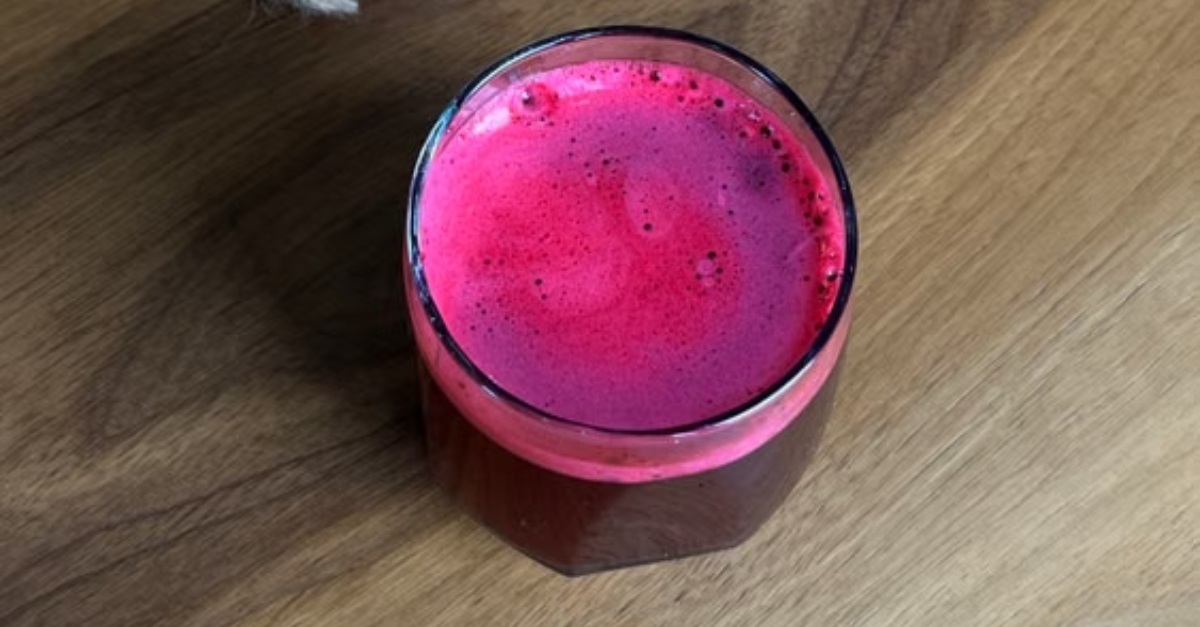
Prep time: 10 minutes | Total time: 10 minutes | Intensity: Low to Moderate | Servings: 2 Glasses (approx. 400ml)
Welcome to the vibrant world of beetroot juice. Often dubbed “nature’s candy” due to its earthy sweetness, the beetroot is a nutritional powerhouse that has taken the wellness world by storm. Whether you are an athlete looking for a pre-workout boost of nitric oxide or a health enthusiast seeking to lower blood pressure and detoxify the liver, this crimson elixir is a vital addition to your daily routine.
However, beetroot juice can be polarizing. To the uninitiated, it tastes like sweet dirt; to the connoisseur, it tastes like liquid energy. The secret lies not just in the beet itself, but in the balance of the recipe. This guide will walk you through creating a juice that is not only palatable but delicious, ensuring you get the maximum nutritional benefit without the overpowering earthiness.
The Philosophy of the Beet
Before we slice, dice, and blend, it is important to understand what we are working with. Beetroots are root vegetables packed with nitrates. When consumed, the body converts these nitrates into nitric oxide, which relaxes blood vessels and improves blood flow. This is why it is a favorite among runners and cyclists.
However, the intensity of the flavor is high. Therefore, our recipe focuses on masking the “soil” notes with bright, acidic, and sweet companions. We will use apple for sweetness, lemon for acidity, and ginger for a spicy kick that cuts through the earthy tones.
Equipment Check
To achieve the perfect consistency and extraction, you have two main paths:
-
The Juicer (The “Intense” Method): This yields a clear, pulp-free liquid. It extracts the maximum amount of nutrients but requires specific machinery. Intensity: Low (effort), High (flavor concentration).
-
The Blender (The “High Fiber” Method): This yields a thicker, smoothie-like consistency. You will need a nut milk bag or fine strainer to remove the pulp if you want juice. Intensity: Moderate (requires squeezing/strain).
For this recipe, we will provide instructions for both methods.
The Ingredients
Yield: 2 tall glasses
-
2 Medium-to-Large Beetroots (approx. 300g): Choose firm, deep red beets. If they are soft or have spots, they are old. If you can find golden beets, they are less earthy, but red beets have higher betalains (antioxidants).
-
2 Sweet Apples (Fuji, Gala, or Honeycrisp): Do not use Granny Smith; you need the sugar to balance the earthiness.
-
1 Large Carrot: Adds natural sweetness and beta-carotene.
-
1-inch Knob of Fresh Ginger: This is the “secret weapon.” It adds heat and aids digestion.
-
1/2 Lemon: Peeled. The acid acts as a preservative and brightens the flavor profile.
-
Ice Cubes: For serving.
-
Optional Add-ins:
-
For Energy: 1/2 teaspoon of Matcha powder.
-
For Digestion: A pinch of black pepper (activates the nutrients).
-
For Hydration: 1/2 Cucumber.
-
The Preparation Phase
Time: 5 Minutes | Intensity: Low
1. The Scrub:
You do not need to peel the beets, carrots, or apples. In fact, the skin of the beet contains high concentrations of antioxidants (betalains) and fiber. However, you must scrub them vigorously under cold running water. Use a vegetable brush to remove all traces of dirt. If the beets are organic, this is even better.
2. The Chop:
This step depends on your equipment.
-
If using a Juicer: Cut the produce into pieces small enough to fit into the feeding chute. Cut the apples into quarters and remove the seeds (apple seeds contain amygdalin, which is toxic in large quantities). Keep the skin on.
-
If using a Blender: Chop the beets, carrots, and apples into 1-inch cubes to make blending easier. The smaller the chop, the less strain on your blender’s motor.
3. The Ginger Peel:
Peel the ginger using the edge of a spoon. It is easier than a peeler and wastes less flesh.
The Extraction Phase
Method A: The Juicer (The Fast Path)
Time: 5-7 Minutes | Intensity: Low
-
Order Matters: Turn on your juicer. Start by feeding the ginger and lemon through the chute first. This flavors the machine and ensures the strong oils are distributed.
-
The Hard Roots: Feed the beets and carrots. The machine will work harder here. If you have a low-powered juicer, alternate between a hard beet and a soft apple to keep the pulp moving.
-
The Soft Fruits: Finish with the apples. The high water content of the apples helps flush the remaining beet pulp through the machine, maximizing your yield.
-
The Mix: Stir the juice vigorously. Fresh juice separates quickly. You want a uniform color.
Method B: The Blender (The High Fiber/Value Path)
Time: 10 Minutes | Intensity: Moderate to High (Elbow grease required)
-
The Blend: Add all chopped ingredients to the blender. Add 1/2 cup of cold water to help the blades catch. If you have a high-speed blender (Vitamix, Ninja), blend on high for 60 seconds. If you have a standard blender, blend for 90 seconds, pulsing to avoid overheating.
-
The Strain (Optional): If you want juice, not a smoothie, place a nut milk bag or a fine mesh strainer over a large bowl. Pour the mixture in.
-
The Squeeze: This is the intense part. Twist the top of the bag and squeeze with all your might. The more you squeeze, the more juice you get. Note: You can skip this step and drink it as a “Beet Smoothie,” but the texture will be thick and the fiber intake very high.
The Serving & Flavor Profile
Time: 2 Minutes | Intensity: Low
Taste your creation.
-
Too Earthy? Squeeze in more lemon juice or add a teaspoon of raw honey/maple syrup.
-
Too Sweet? Add a splash of water or a few mint leaves.
-
Too Spicy? You added too much ginger. Next time, use a smaller knob.
The “Golden Ratio” Tip: We recommend serving this juice ice cold. Cold temperatures suppress the bitter and earthy notes of the beet. Fill a glass with ice, pour the juice over, and stir.
Garnish: A thin slice of lemon or a sprig of fresh mint.
The “Last of the Recipe” (Storage & Shelf Life)
If you have made a large batch, you cannot simply leave it in the fridge forever.
-
Fridge Life: Fresh beet juice is best consumed within 24 hours. The nutritional value (specifically the nitrates) degrades rapidly.
-
Storage: Pour into a glass jar (Mason jars are perfect). Fill the jar to the very top—leaving no air gap—and seal tightly. This slows oxidation.
-
Freezing: You can freeze beet juice in ice cube trays. Pop them into smoothies later. The texture will change slightly (it becomes a bit grainy), but the nutritional value remains stable for up to 3 months.
Nutritional Information & Health Benefits
Disclaimer: Nutritional values are estimates based on 1 serving (approx. 200ml) using the juicer method (pulp removed). Using the blender method with pulp will increase fiber and carbohydrate counts.
Per Serving (approx. 1 cup):
-
Calories: 110-130 kcal
-
Carbohydrates: 26g
-
Sugars: 18g (Natural sugars from apple and beet)
-
Protein: 2g
-
Fat: 0.5g
-
Fiber: 1g (Juicer) / 4g (Blender)
-
Sodium: 75mg
-
Potassium: 450mg (Excellent for hydration)