-
Prep Time: 15 minutes
-
Cook Time: 20 minutes
-
Fermentation Time: 24 to 48 hours (Optional but recommended)
-
Total Time: ~1 hour (active) + resting time
-
Yield: Approximately 2 cups (16 oz)
-
Cuisine: Caribbean / Fusion
-
Course: Condiment / Sauce
Ingredients
The Produce
-
10–12 Habanero Peppers: Stems removed. (Note: Leave the seeds in for maximum heat; remove them for a milder sauce).
-
2 Cups Fresh Pineapple Chunks: About half a medium pineapple. Canned works in a pinch, but fresh is superior for acidity.
-
1 Medium White Onion: Peeled and quartered.
-
4 Garlic Cloves: Peeled.
-
1 Carrot: Peeled and chopped (This adds natural sweetness and body/thickness).
The Liquids & Acidity
-
1 Cup White Vinegar (Distilled): This is crucial for preservation and pH balance.
-
1/2 Cup Water
-
Juice of 2 Limes: Freshly squeezed.
-
2 Tbsp. Honey or Agave Nectar: To balance the heat and acid.
The Spices
-
1 Tsp. Salt: Kosher or sea salt.
-
1/2 Tsp. Ground Allspice: A classic Caribbean note.
-
1/2 Tsp. Ground Cumin
-
1/4 Tsp. Ground Black Pepper
Optional (For the “Ferment” Kick)
-
1 Tbsp. Whey (liquid from plain yogurt) or 1 Tbsp. Brine from a previous batch of hot sauce. This kickstarts the fermentation process.
Equipment Needed
-
Blender or Food Processor
-
Medium Saucepan
-
Sharp Knife and Cutting Board
-
Gloves: MANDATORY. Do not touch your face after handling habaneros.
-
Sterilized Glass Bottles or Jars for storage.
Instructions
Phase 1: Preparation & Safety (Time: 10 Minutes | Intensity: Low)
-
Safety First: Put on your gloves. Habaneros contain high levels of capsaicin. Wash your hands thoroughly with soap and water immediately after handling the peppers.
-
Prep the Peppers: Remove the stems from the habaneros. If you want a milder sauce, slice them open and remove the seeds and white pith. If you want the full “Hellfire” experience, leave them whole.
-
Chop the Rest: Roughly chop the pineapple, onion, carrot, and garlic. No need for precision here as everything will be blended later.
Phase 2: The Sauté (Time: 10 Minutes | Intensity: Medium)
-
Sweat the Vegetables: In your saucepan over medium heat, add a splash of oil. Add the onions, garlic, and carrots. Sauté until the onions are translucent and the carrots begin to soften (about 5 minutes).
-
Add the Heat: Add the habaneros and pineapple chunks. Stir constantly for 3–4 minutes. You want the pineapple to caramelize slightly and the peppers to release their aroma. Warning: The fumes will be potent. Turn on your range hood or open a window.
-
Deglaze: Pour in the white vinegar and water. Add the salt, cumin, allspice, and black pepper. Bring the mixture to a boil, then reduce to a simmer.
Phase 3: Simmer & Infuse (Time: 10–15 Minutes | Intensity: Low)
-
Let the mixture simmer uncovered for 10–15 minutes. This softens the carrots and peppers completely, ensuring a smooth blend. The liquid should reduce slightly.
-
Remove from heat and stir in the honey (or agave) and lime juice. Taste the liquid. It should be tart, sweet, and fiery. Adjust salt if necessary.
Phase 4: The Blend (Time: 3–5 Minutes | Intensity: High)
-
Cool Down: Let the mixture cool for about 10 minutes. Never blend hot liquids in a sealed blender; the steam will expand and can blow the lid off.
-
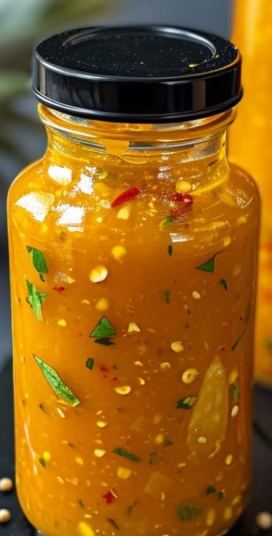
Blend: Transfer the mixture to your blender. Blend on high speed for 2–3 minutes until the sauce is completely smooth. If it is too thick, add a tablespoon of water at a time until it reaches your desired consistency (think: pourable ketchup).
Phase 5: The Optional Ferment (Time: 24–48 Hours | Intensity: None)
Skip this step if you want to use the sauce immediately.
-
If you want a probiotic, funkier flavor, let the sauce cool to room temperature.
-
Stir in the whey or brine.
-
Pour into a sterilized glass jar, cover loosely with a lid (or cheesecloth), and let sit on your counter for 24 to 48 hours.
-
After the fermentation time, stir well and refrigerate.
Phase 6: Bottling & Storage
-
Funnel the sauce into sterilized bottles.
-
Store in the refrigerator. The vinegar and salt act as preservatives, but refrigeration is necessary for longevity.
Recipe Notes & Tips
-
Consistency: If your sauce comes out too watery, return it to the stove and simmer it down for another 10 minutes before bottling. If it’s too thick, add a splash of pineapple juice or water.
-
The Sugar Factor: The sugar from the pineapple and honey will cause the sauce to darken if stored for a long time. This is normal, but it is best consumed within 3 months for peak flavor.
-
Acidity: Do not reduce the vinegar amount. Hot sauces need a low pH to be shelf-stable and safe from bacteria. The vinegar is not just for flavor; it’s for safety.
Nutrition Information
Disclaimer: The following nutrition estimates are for informational purposes only and are based on a standard calculation. Actual values will vary based on specific ingredients and portion sizes.
Serving Size: 1 Tablespoon (approx. 15g)
Servings Per Batch: 32
-
Calories: 15 kcal
-
Total Fat: 0.1g
-
Sodium: 150mg
-
Total Carbohydrates: 3.5g
-
Dietary Fiber: 0.4g
-
Total Sugars: 2.5g
-
-
Protein: 0.2g