
-
Prep time: 10 minutes
-
Cook time: 10-12 minutes
-
Total time: 20-22 minutes
-
Servings: 2
-
Category: Main Course, Dinner
-
Cuisine: American, Seafood
Ingredients
For the Salmon:
-
Salmon Fillets: 2 skin-on salmon fillets, about 6 oz (170g) each and 1 to 1.5 inches thick. (Center-cut is best for even cooking).
-
Oil: 1 tablespoon high-smoke-point oil, such as avocado, grapeseed, or canola oil. (Do not use olive oil for high-heat searing).
-
Seasoning: 1 teaspoon kosher salt, 1/2 teaspoon freshly cracked black pepper.
-
Butter: 1 tablespoon unsalted butter (for the pan sauce and basting).
For the Lemon-Butter Pan Sauce:
-
Butter: 1 tablespoon unsalted butter (in addition to the above).
-
Aromatics: 2 cloves garlic, minced; 1 shallot, finely minced (optional).
-
Liquid: 2 tablespoons fresh lemon juice (about half a lemon).
-
Herbs: 1 tablespoon fresh dill or parsley, chopped (for garnish).
-
Zest: 1 teaspoon lemon zest (optional, for extra brightness).
Equipment:
-
Cast Iron or Heavy-Bottomed Skillet: A well-seasoned cast iron skillet is ideal for achieving a perfect sear.
-
Fish Spatula: A thin, flexible metal spatula is crucial for flipping the fish without tearing the skin.
-
Paper Towels: Essential for drying the salmon skin thoroughly.
Instructions
Part 1: Preparing the Salmon
-
Dry the Skin Thoroughly: This is the most important step for crispy skin. Remove the salmon fillets from the refrigerator at least 15-20 minutes before cooking to take the chill off. Pat the skin side completely dry with paper towels. Press firmly to absorb as much moisture as possible. For an even better result, let the fillets sit uncovered in the refrigerator for 30 minutes to an hour before cooking; the dry air will help dehydrate the skin.
-
Score the Skin (Optional but Recommended): Using a sharp knife, make 3-4 shallow cuts diagonally across the skin, being careful not to cut into the flesh. This helps prevent the skin from curling during cooking and allows the fat to render more evenly.
-
Season the Salmon: Season both sides of the salmon generously with kosher salt and freshly cracked black pepper. Let it sit for a few minutes while you heat your pan.
Part 2: Cooking the Salmon
-
Heat the Pan: Place your cast iron or heavy-bottomed skillet over medium-high heat. Allow it to heat for a full 2-3 minutes until it is very hot. A properly heated pan is essential for a good sear.
-
Add the Oil: Add the 1 tablespoon of high-smoke-point oil to the hot pan. Swirl it around to coat the bottom evenly. The oil should shimmer and move quickly across the surface.
-
Place the Salmon Skin-Side Down: Carefully place the salmon fillets into the pan, skin-side down. Lay them away from you to avoid oil splatter. Do not move or touch the fillets for the first 3-4 minutes. This is crucial for allowing the skin to make full contact with the hot pan and form a crust.
-
Press Gently: Use your fish spatula to gently press down on the salmon fillets for the first 20-30 seconds of cooking. This prevents the skin from curling up and ensures even contact with the pan.
-
Monitor the Crispiness: After 3-4 minutes, use your spatula to gently peek under one corner of the salmon. The skin should be a deep, golden-brown and look very crispy. If it’s not quite there, let it cook for another minute. If it’s browning too quickly, reduce the heat slightly.
-
Flip and Finish: Once the skin is perfectly crispy, flip the salmon fillets over using your fish spatula. Reduce the heat to medium-low. Add the 1 tablespoon of butter to the pan. Once it melts and begins to foam, tilt the pan slightly and use a spoon to baste the salmon with the foaming butter for about 30 seconds.
-
Check for Doneness: Continue cooking for another 2-4 minutes, depending on the thickness of your fillet. The salmon is done when it reaches an internal temperature of 125°F (52°C) for medium-rare or 135°F (57°C) for medium. The flesh should flake easily with a fork but still be slightly translucent in the center.
Part 3: Making the Pan Sauce
-
Sauté the Aromatics: Remove the salmon from the pan and set aside on a plate to rest. Do not clean the pan. Return the pan to medium heat. Add the minced shallot (if using) and cook for 1 minute until softened. Add the minced garlic and cook for another 30 seconds until fragrant.
-
Deglaze and Reduce: Pour in the fresh lemon juice and the remaining 1 tablespoon of butter. Whisk constantly, scraping up any browned bits from the bottom of the pan. Let the sauce bubble and reduce for about 1 minute until it thickens slightly.
-
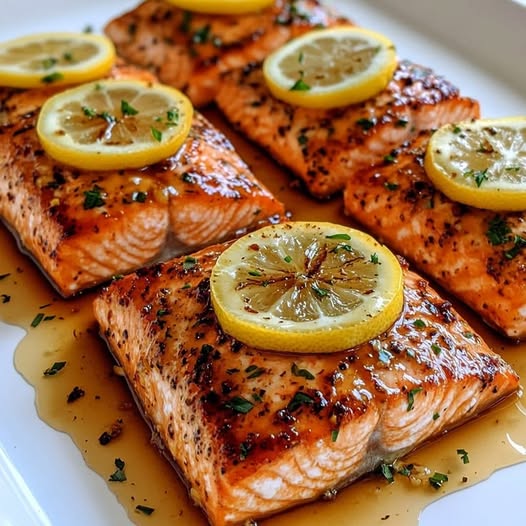
Finish and Serve: Stir in the chopped fresh herbs and lemon zest (if using). Taste and adjust seasoning. Pour the pan sauce over the salmon fillets and serve immediately.
Tips for the Best Damn Crispy Salmon
-
Dry, Dry, Dry: The number one rule for crispy skin is a completely dry surface. Any moisture will steam the skin instead of searing it.
-
Hot Pan, Hot Oil: Your pan and oil need to be preheated properly before the salmon goes in. If the pan isn’t hot enough, the skin will stick.
-
Patience is a Virtue: Resist the urge to move or flip the salmon too early. Let it sit undisturbed to develop that beautiful crust.
-
Use the Right Spatula: A thin, flexible fish spatula is a game-changer. It slides easily under the delicate skin without tearing it.
-
Rest Your Fish: Letting the salmon rest for a minute or two after cooking allows the juices to redistribute, resulting in a more moist and flavorful fillet.
-
The Butter Baste: Basting the salmon with foaming butter after flipping adds richness and helps finish cooking the fish gently.
Nutrition Information
Please note that the following nutrition information is an estimate and will vary based on the specific ingredients and portion sizes used. This analysis is for the salmon with the pan sauce.
Per Serving (1 fillet with sauce):
-
Calories: 380 kcal
-
Total Fat: 26g
-
Saturated Fat: 8g
-
Cholesterol: 105mg
-
Sodium: 650mg
-
Total Carbohydrates: 4g
-
Dietary Fiber: 0g
-
Total Sugars: 1g
-
Protein: 34g