| Prep Time | 5 minutes |
| Steep Time | 10–15 minutes |
| Chill Time | 2–3 hours minimum |
| Total Time | About 2 hours 30 minutes (including chilling) |
| Intensity Level | Easy (Beginner) |
| Category | Beverage / Drink |
| Cuisine | Global (Caribbean, Mexican, Middle Eastern influences) |
A Short Introduction
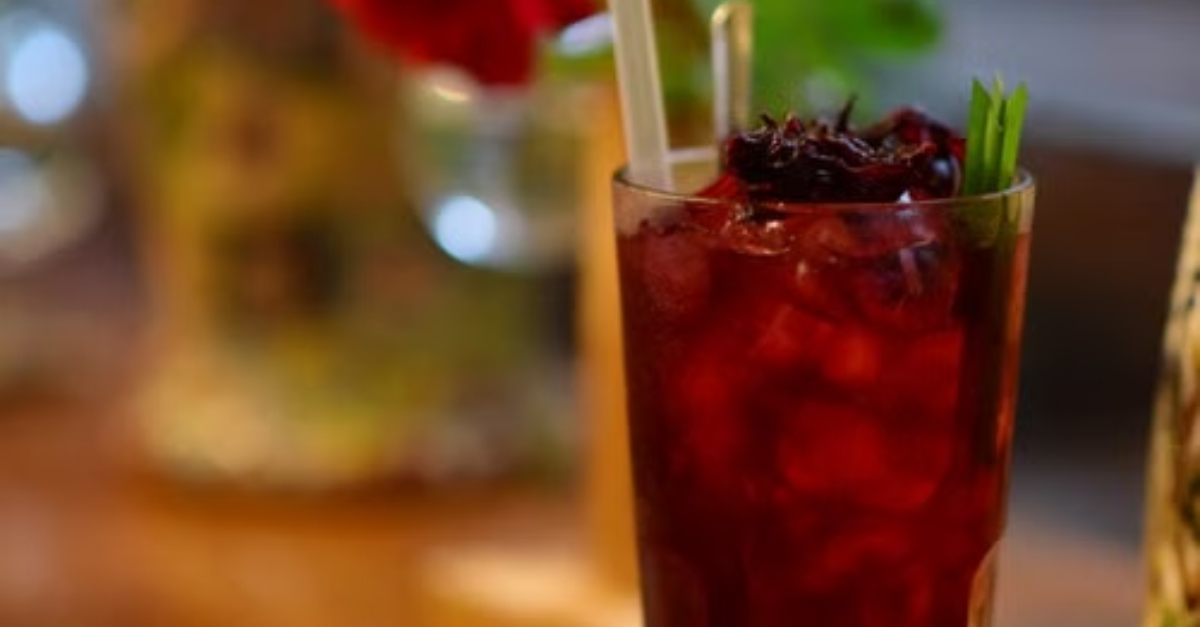
Iced hibiscus tea is one of the most striking drinks you can make at home. Brewed from dried hibiscus flowers — known as jamaica in Mexico, agua de flor de Jamaica in Latin America, karkadé in Egypt, and zobo in West Africa — it delivers a bold, tart flavor that sits somewhere between cranberry juice and pomegranate. Served cold over ice, it’s naturally caffeine-free, rich in antioxidants, and endlessly customizable with citrus, mint, ginger, or a touch of sweetness.
This recipe keeps things simple and reliable: a hot-water infusion to extract maximum color and flavor, a short steep to avoid bitterness, then a proper chill before serving. Whether you’re hosting a summer barbecue, packing a pitcher for a picnic, or simply want a healthier alternative to soda, this iced hibiscus tea delivers every time.
Ingredients
For the Tea
-
2 cups dried hibiscus flowers (about 2 ounces / 60 g) — look for food-grade dried hibiscus, sometimes sold as flor de Jamaica
-
8 cups filtered water (divided: 6 cups for brewing, 2 cups reserved for diluting)
-
½ to ¾ cup granulated sugar, honey, or agave syrup (adjust to taste)
-
1 medium orange, sliced into rounds (optional but recommended)
-
1-inch piece fresh ginger, peeled and thinly sliced (optional)
-
1 small bunch fresh mint leaves (optional)
For Serving
-
Ice cubes (preferably large cubes or crushed ice)
-
Fresh mint sprigs, orange wheels, or lime wedges for garnish
-
Extra sweetener to taste
Equipment
-
Large saucepan or heatproof pitcher
-
Fine-mesh strainer or cheesecloth
-
Large pitcher (2-quart capacity)
-
Long wooden spoon
-
Refrigerator-safe container
Instructions
Step 1: Bring Water to a Gentle Boil (Intensity: Low–Medium)
Pour 6 cups of filtered water into a large saucepan. Place it over medium-high heat and bring it to a gentle boil — small bubbles breaking the surface, not a rolling, violent boil. This should take about 5 to 7 minutes. If you’re adding ginger, drop the sliced ginger in now so it can infuse as the water heats.
Why it matters: A gentle boil prevents rapid evaporation and keeps the water temperature just below scalding, which extracts color and flavor from the hibiscus without pulling out harsh, bitter tannins.
Step 2: Add the Hibiscus Flowers (Intensity: Low)
Once the water reaches a gentle boil, turn off the heat completely. Add the 2 cups of dried hibiscus flowers and stir gently with a wooden spoon to ensure all the petals are submerged. If using orange slices, add them now.
Intensity note: At this stage, the heat is off. You are now steeping, not boiling. Boiling hibiscus for too long creates an astringent, mouth-puckering bitterness that no amount of sugar can fully fix.
Step 3: Steep (Intensity: None — Passive)
Cover the saucepan with a lid and let the hibiscus steep for 10 to 15 minutes.
-
10 minutes = lighter, brighter, more delicate tartness
-
12 minutes = balanced, full-bodied flavor (recommended)
-
15 minutes = deep, intense, almost wine-like richness
Stir once at the halfway point. The liquid should turn a deep, jewel-toned ruby red.
Timing tip: Set a timer. Going beyond 20 minutes risks bitterness, and the color will start to take on a brownish hue.
Step 4: Strain the Infusion (Intensity: Low–Medium)
Place a fine-mesh strainer over a large heatproof pitcher or bowl. Carefully pour the steeped liquid through the strainer to catch the hibiscus petals, ginger, and orange slices. Press gently on the solids with the back of a spoon to release extra liquid, but don’t press too hard — aggressive pressing releases bitter compounds.
Discard the solids (or compost them).
Step 5: Sweeten While Warm (Intensity: Low)
While the tea is still warm, add ½ cup of sugar, honey, or agave syrup. Stir for 1 to 2 minutes until fully dissolved. Taste and add more sweetener if desired — hibiscus is naturally very tart, so don’t be shy, but add gradually.
Sweetener guide:
-
½ cup = lightly sweet, tart-forward
-
⅔ cup = balanced, crowd-pleasing
-
¾ cup = sweet, similar to cranberry juice cocktail
If using honey or agave, stir a little longer since they dissolve more slowly than granulated sugar.
Step 6: Dilute and Add Aromatics (Intensity: Low)
Stir in the remaining 2 cups of filtered water. This dilution balances the concentration and stretches the yield to a full 2 quarts. If using fresh mint, add the bunch now and let it steep in the warm liquid for 5 minutes, then remove.
Optional flavor variations at this stage:
-
Citrus-forward: Add the juice of 1 lime and 1 lemon
-
Spiced: Add 2 whole cloves and 1 cinnamon stick during the warm steep
-
Floral: Add 1 tablespoon dried rose petals or lavender buds
-
Sparkling: Substitute 1 cup of the dilution water with sparkling water just before serving
Step 7: Cool to Room Temperature (Intensity: None — Passive)
Leave the pitcher uncovered on the counter for 30 to 45 minutes to cool to room temperature. This step is important: putting hot tea directly into the refrigerator can raise the fridge temperature and slow the chilling process, and it can also make the tea taste slightly stale.
Step 8: Chill Thoroughly (Intensity: None — Passive)
Cover the pitcher and refrigerate for at least 2 hours, preferably 3 to 4 hours, until completely cold. The flavor deepens and mellows as it chills — hibiscus tea tastes noticeably better after a few hours of cold rest.
Make-ahead tip: This tea keeps beautifully in the refrigerator for up to 5 days in a sealed container. The flavor actually improves on day two.
Step 9: Serve Over Ice (Intensity: Low)
Fill tall glasses with ice cubes. Pour the chilled hibiscus tea over the ice, leaving about an inch of headspace. Garnish with a fresh mint sprig, a thin orange wheel, or a lime wedge.
Serving note: If you’re serving a crowd, pour the tea into a large pitcher filled with ice rather than icing individual glasses — it looks stunning and keeps the tea cold longer.
Nutrition Information
Per serving (1 cup / 8 oz), based on 8 servings with ½ cup granulated sugar. Values are estimates and will vary based on sweetener and optional ingredients.
| Nutrient | Amount |
|---|---|
| Calories | 50 kcal |
| Total Fat | 0 g |
| Saturated Fat | 0 g |
| Trans Fat | 0 g |
| Cholesterol | 0 mg |
| Sodium | 5 mg |
| Total Carbohydrates | 13 g |
| Dietary Fiber | 0 g |
| Total Sugars | 12 g |
| Added Sugars | 12 g |
| Protein | 0 g |
| Vitamin C | 2% DV |
| Vitamin A | 0% DV |
| Calcium | 1% DV |
| Iron | 2% DV |
| Potassium | 45 mg |
| Caffeine | 0 mg |